
Mixed-Use
GBFE's mixed-use projects span real estate developments that blends residential, commercial, cultural, institutional and/or entertainment uses across the UK. Below are examples of GBFE's mixed-use fire engineering portfolio, spanning heritage conservation, high-rise residential and large-scale urban regeneration.
York Minster Centre of Excellence, York
The York Minster Centre of Excellence project responds to the growing challenge of caring for complex heritage buildings in the 21st century. With only 13 cathedral workshops remaining across England’s 42 cathedrals, the project supports the preservation of traditional craft skills while embracing modern technology to enhance heritage stewardship. The scheme creates a bold statement about the future of conservation, inspiring visitors, patrons, international partners and the next generation of craft professionals. Its vision places social, environmental and economic sustainability at the heart of protecting historic buildings for the future.
Heritage Quad:
The Heritage Quad sits around a square courtyard northeast of the Minster in a garden setting. Its fire strategy covered a mixed-use, single-storey building—workshops, offices and residential clusters—with linked detection and simultaneous evacuation across residential and non‑residential zones.
The Centre of Excellence, the first of its kind, was developed through international collaboration and an apprenticeship programme. Comprising the Tech Hub and the Heritage Quad, it pairs advanced stone‑cutting and digital fabrication with traditional stonemasonry. This fusion of technology and training is set to accelerate the restoration of York Minster’s fabric by decades.
Tech Hub:
The Tech Hub is located in a triangular courtyard southeast of the Minster, within the urban fabric of York.
The Technology Hub fire strategy covered a Ground + 2 workshop and office building. The Hub houses digital stone‑cutting equipment — including 5‑axis and bridge saws — that will accelerate Minster restoration by decades. Stone arrives from the quarry, is cut into large blocks at the Hub, then hand‑finished in the Heritage Quad. The two buildings operate together as a Centre of Excellence, conceived as a unified whole of eight elements — setting, massing, circulation, typology, structure, services, enclosure and aperture — that reflect the relationship between nature, people and York Minster.
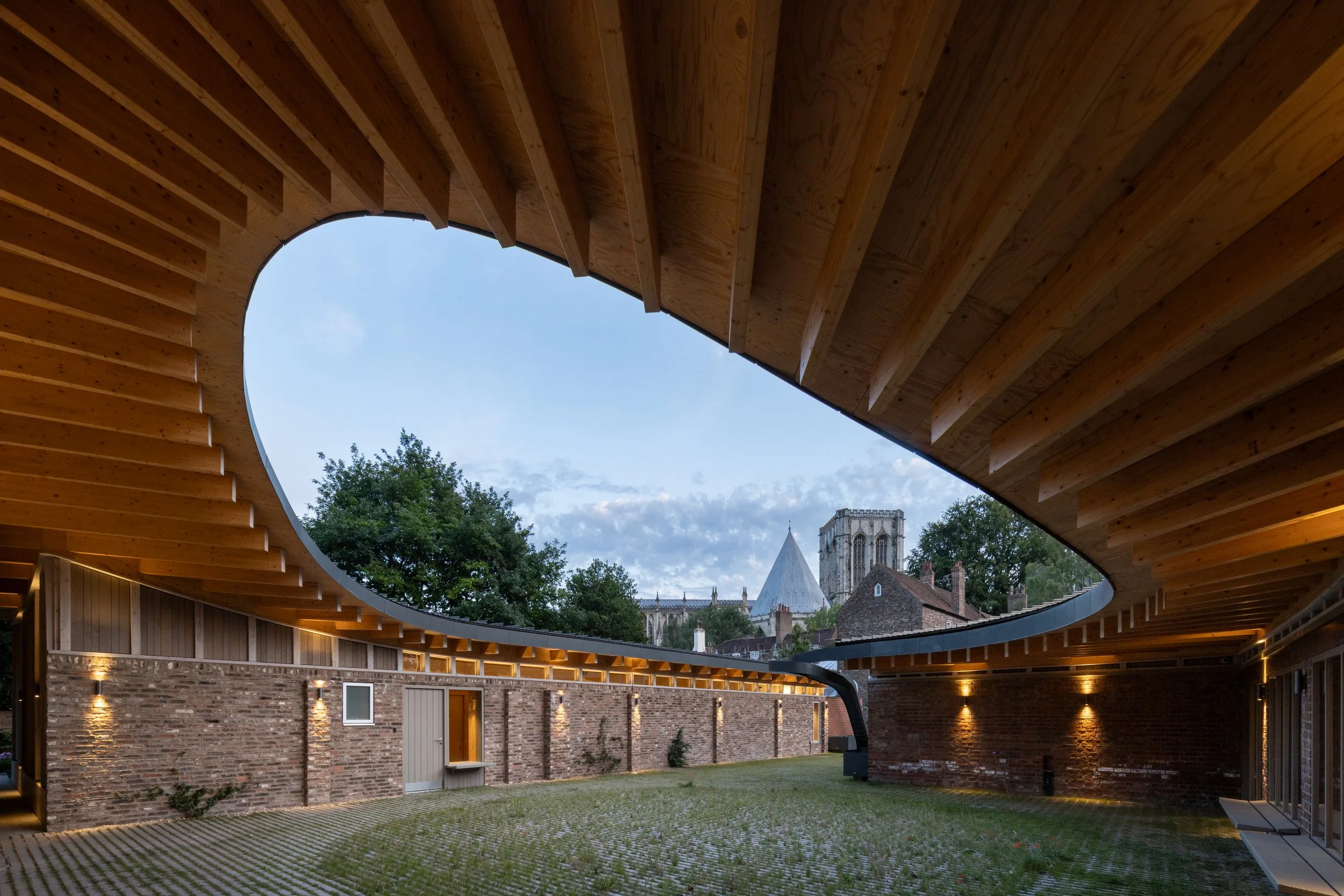
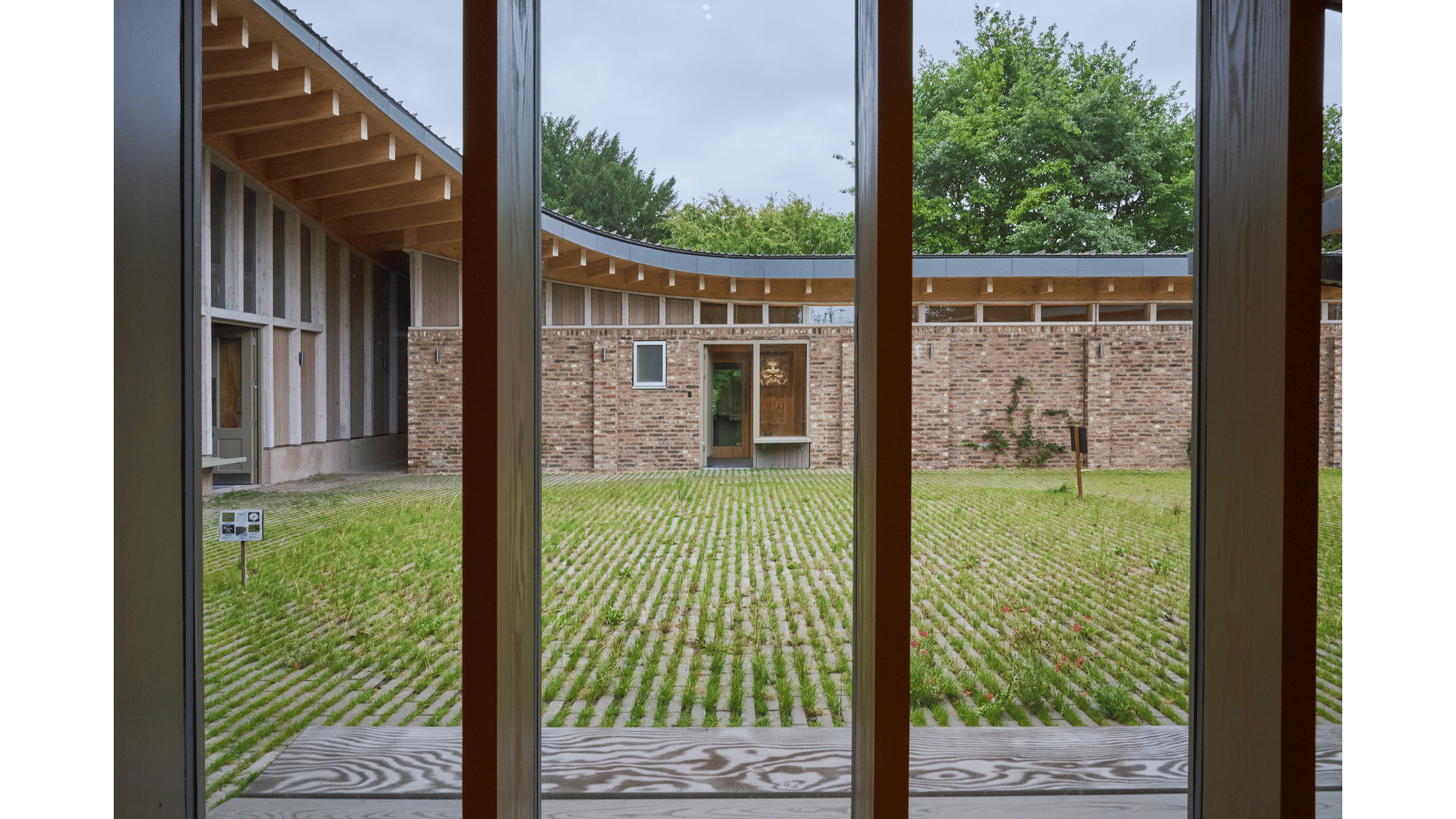
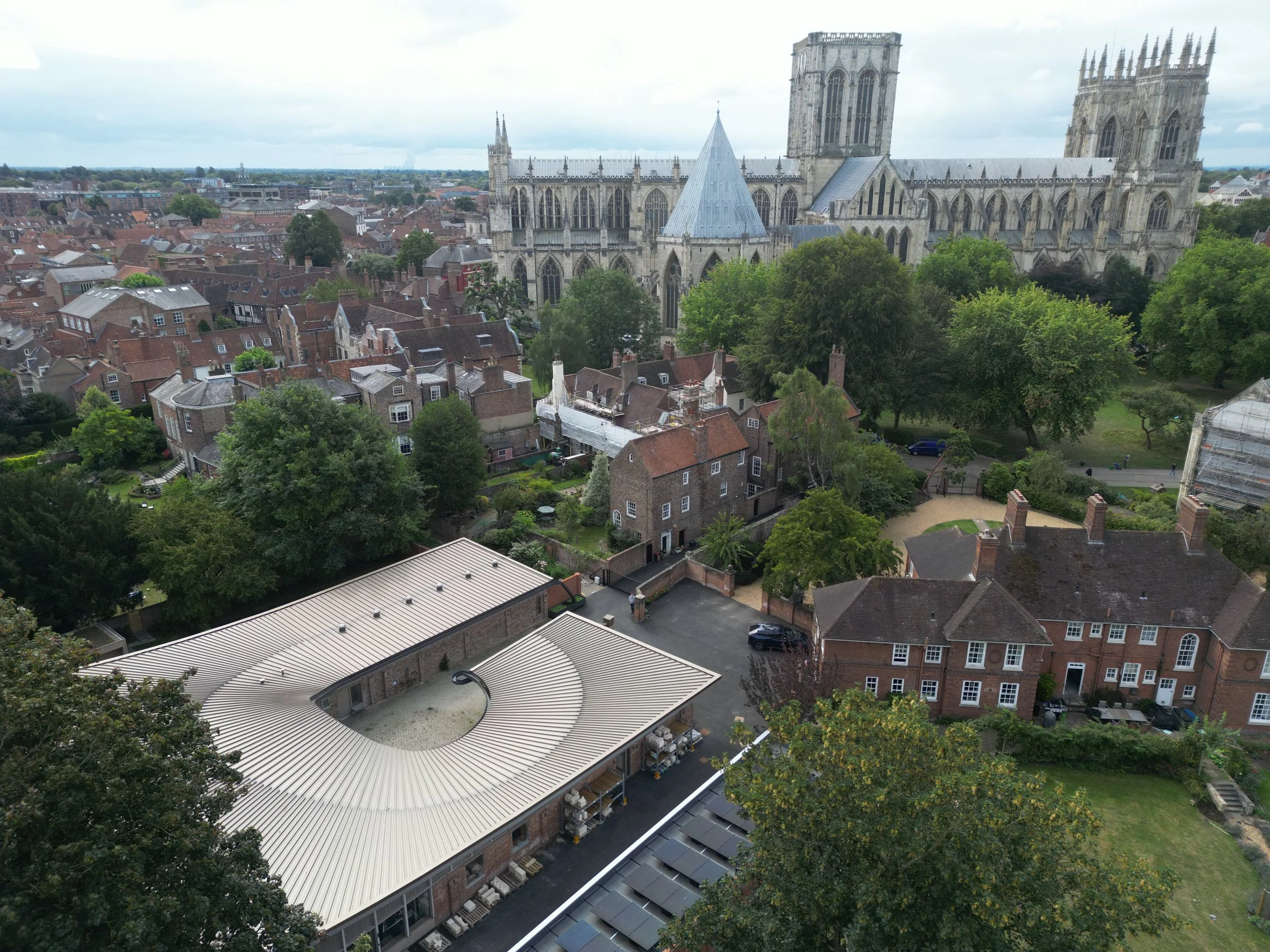


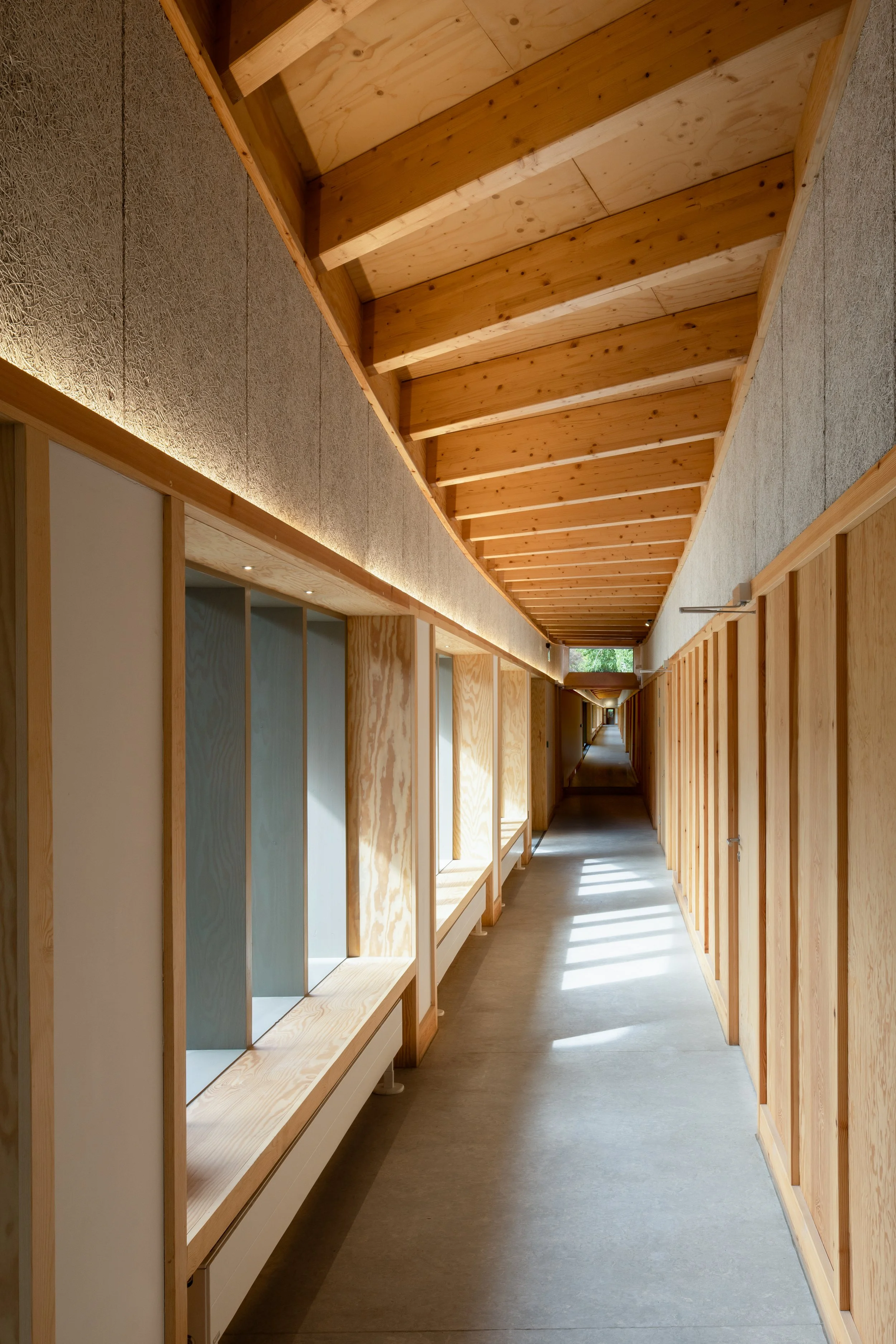
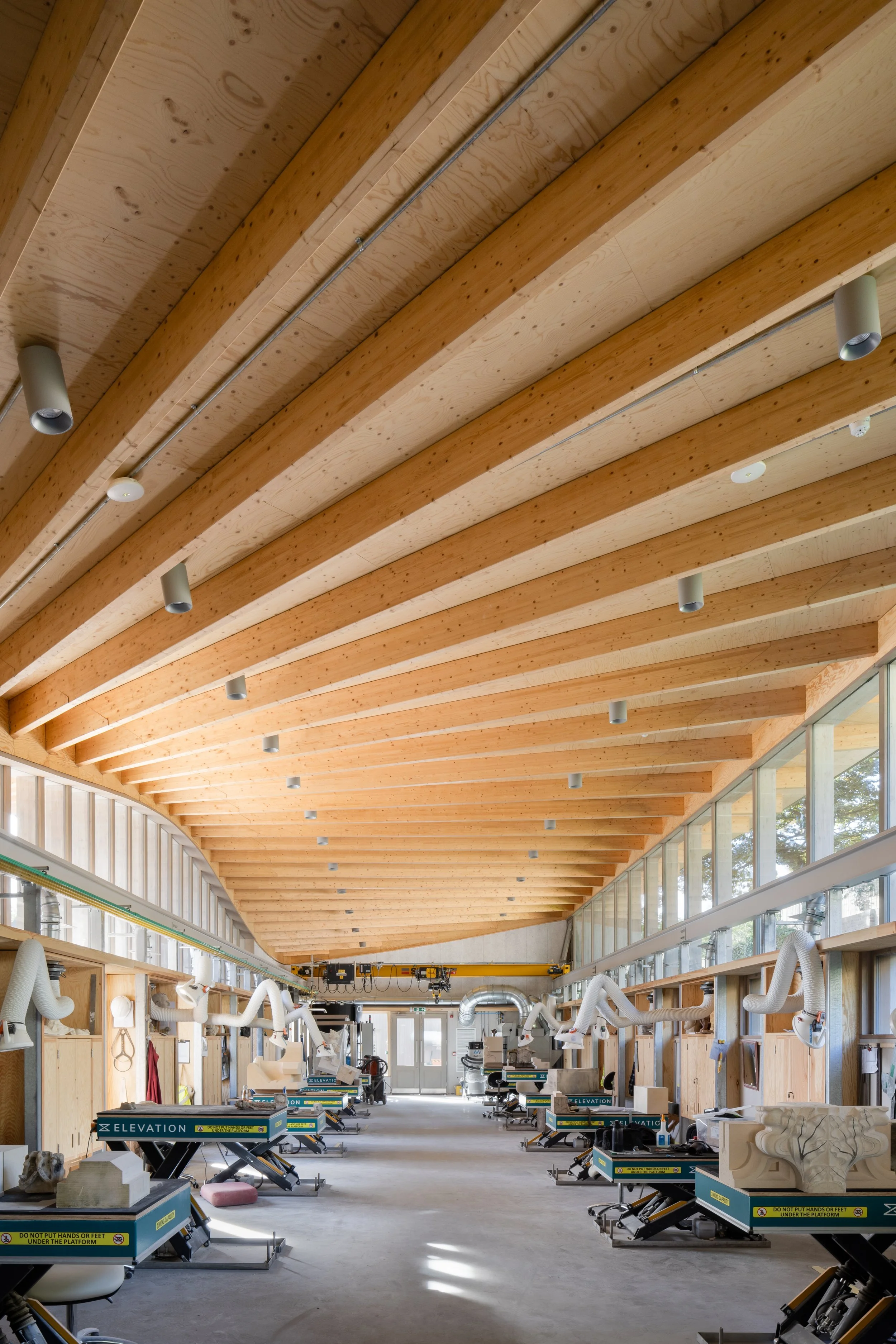


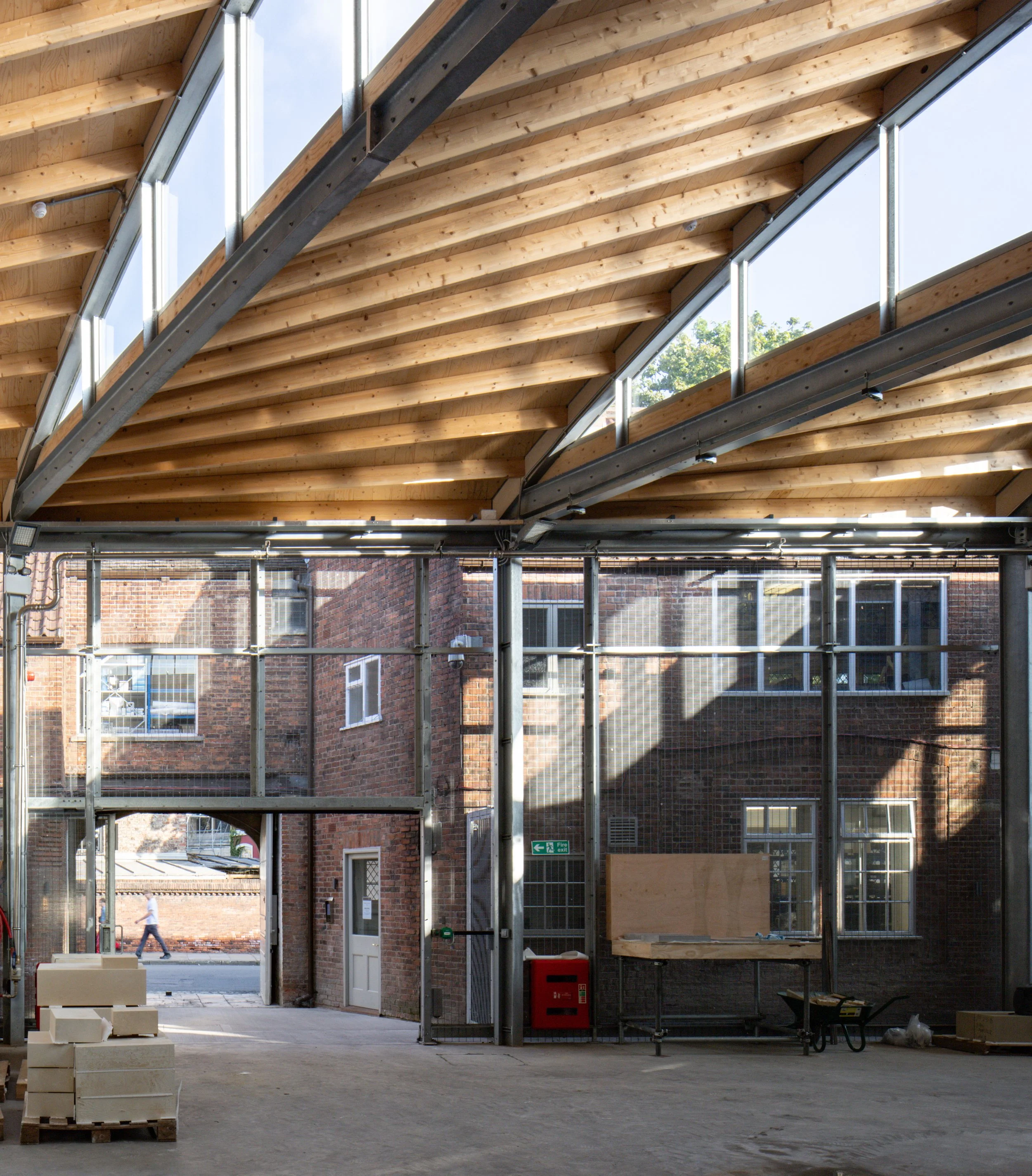
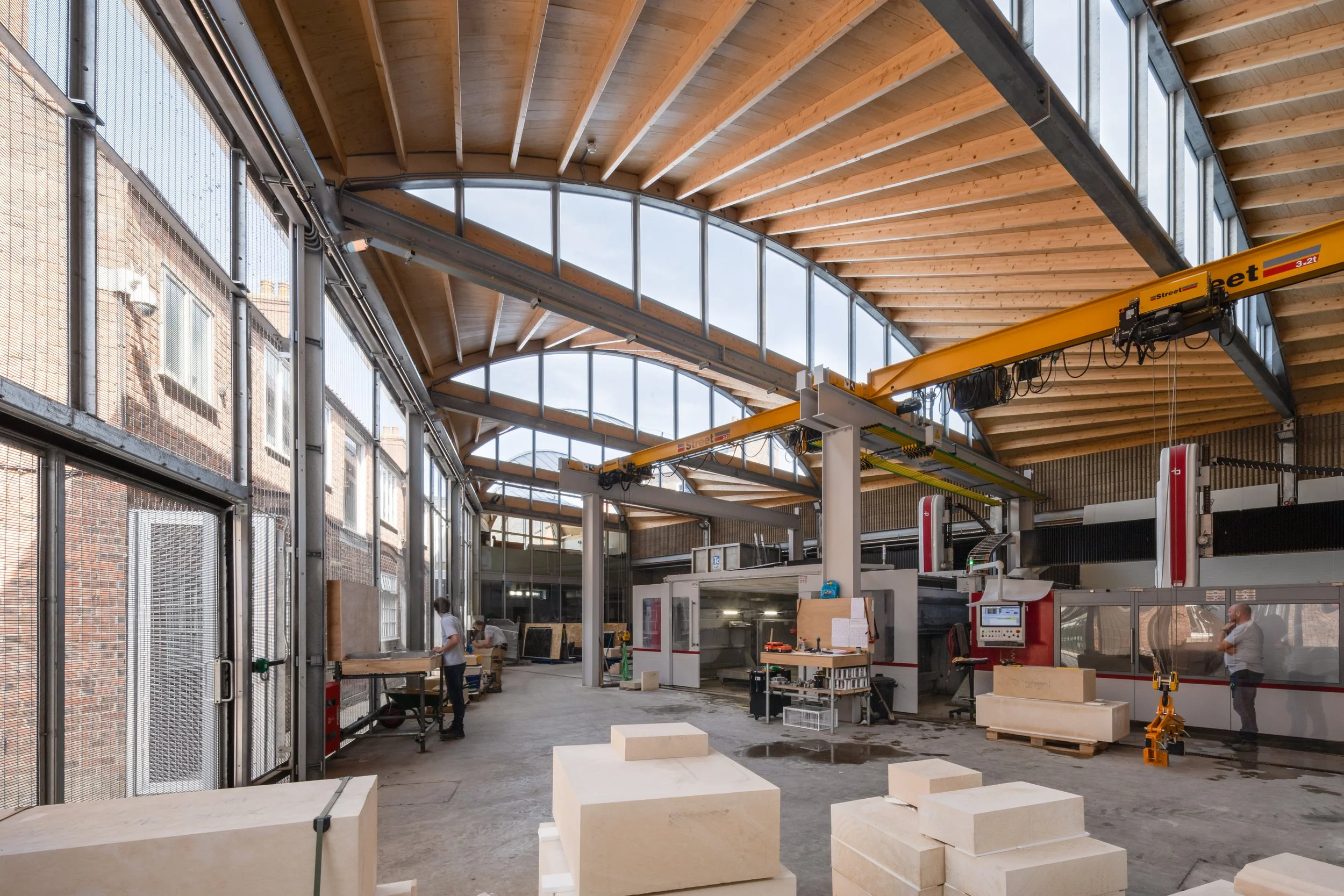
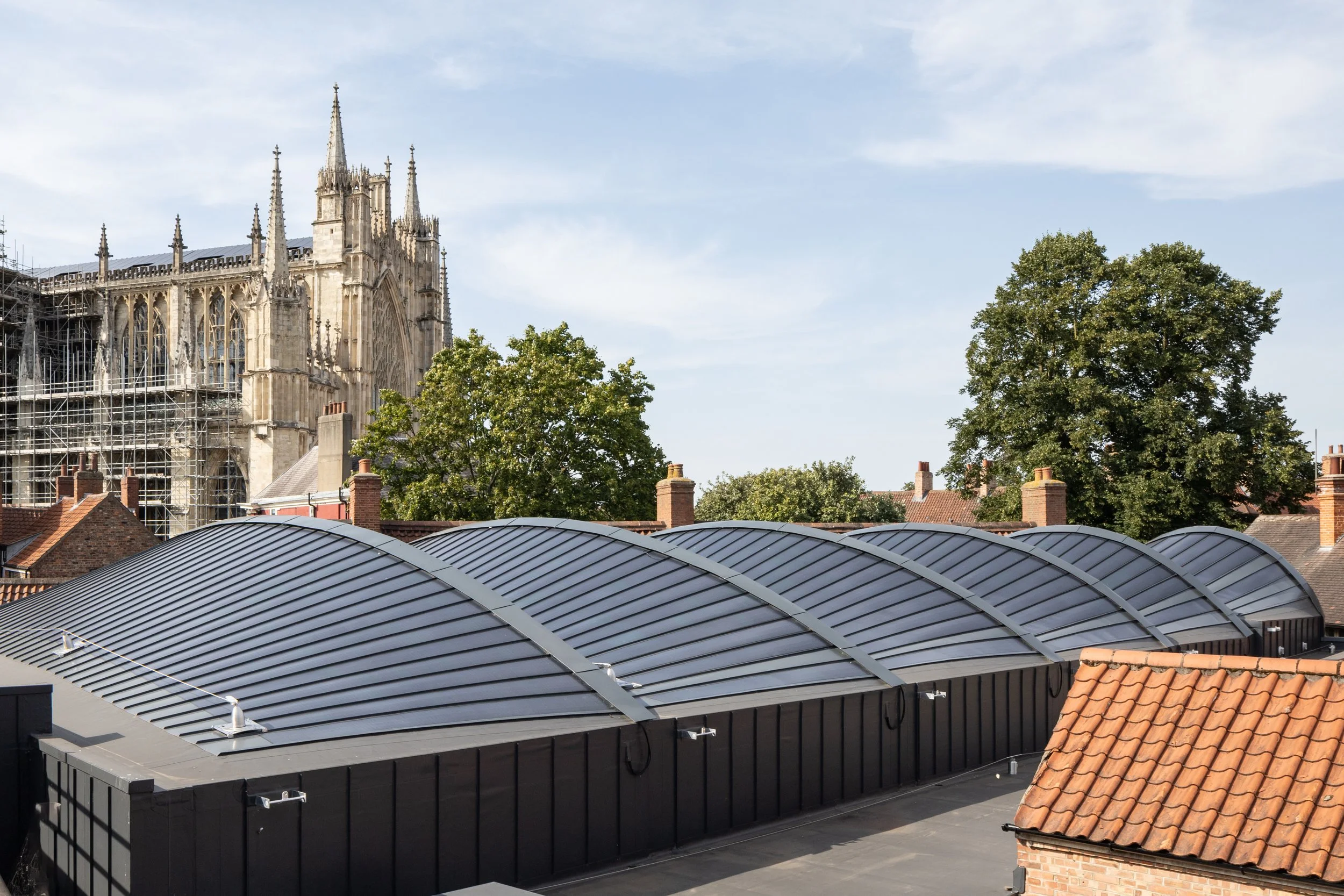
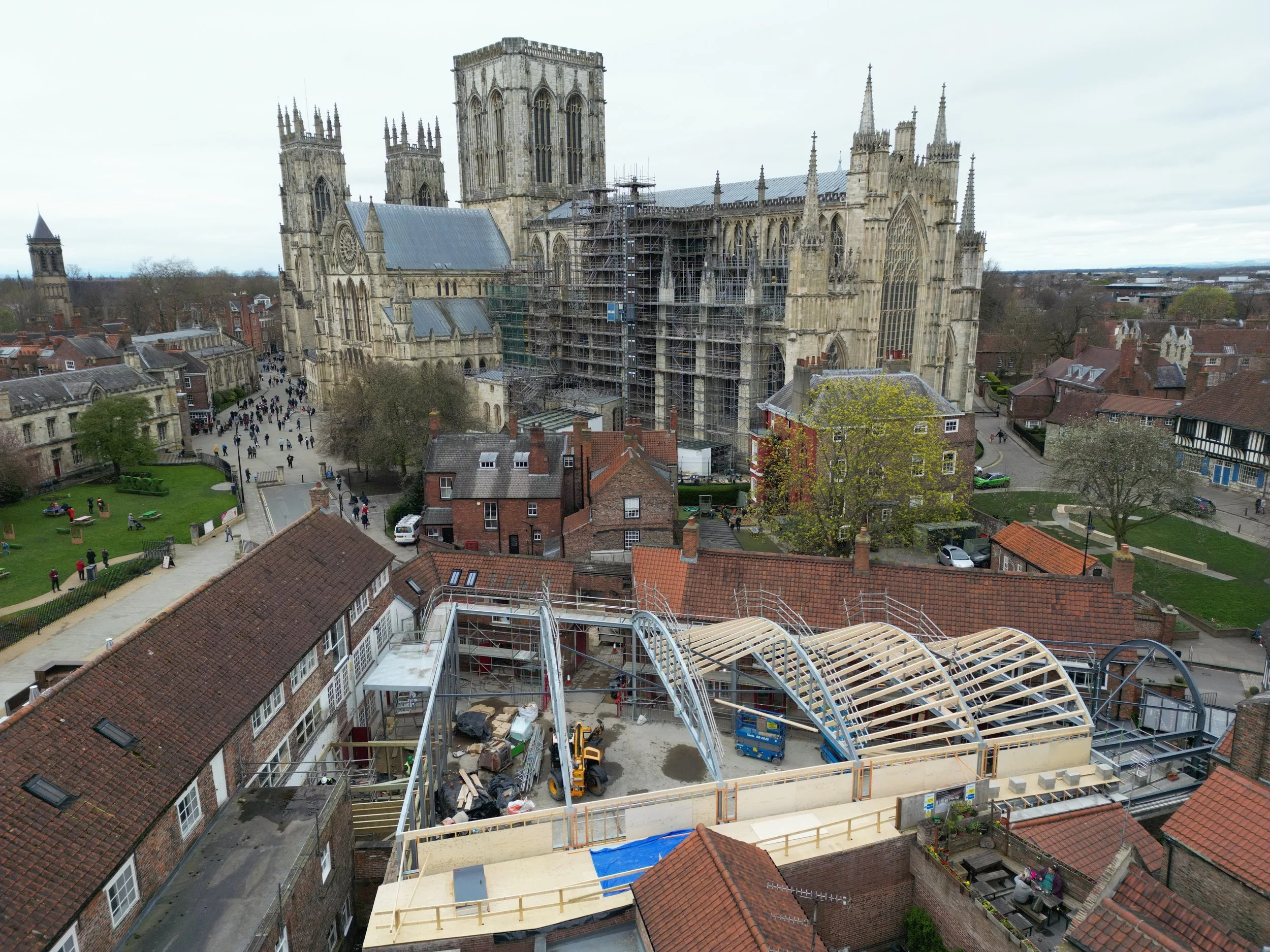
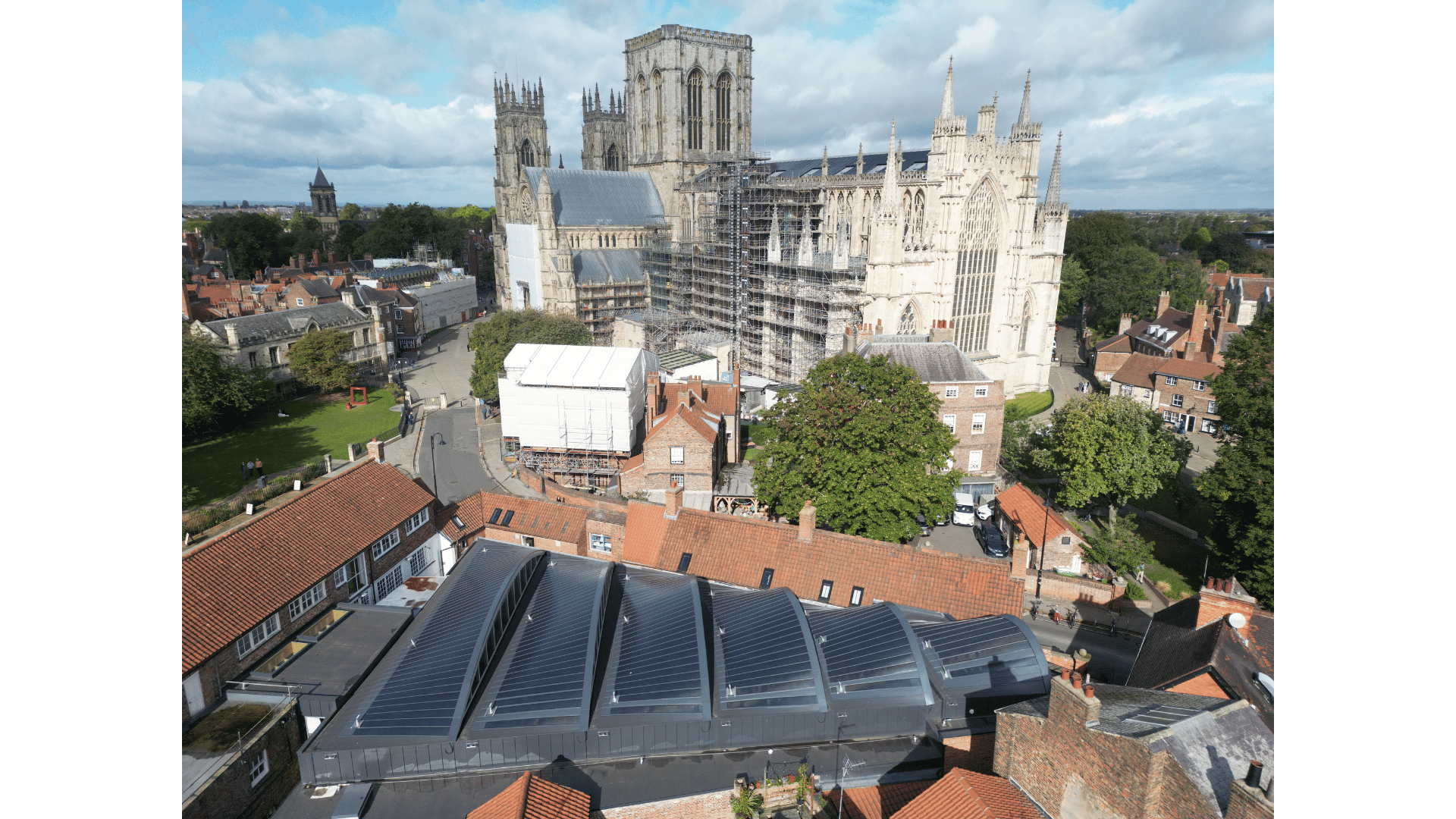
GBFE provided fire engineering from planning to construction (Stages 2–5): Stage 2 fire statement (concept), Stage 3 fire strategy, Stage 4 fire strategy, and Stage 5 construction queries.
Objectives: Create architecturally important spaces that safely support work and learning and ensure sustainable future construction for significant stone buildings.
Main fire-safety goal: Show that Heritage Quad and Technology Hub meet Building Regulations (means of warning and escape, internal and external fire spread, and fire service access) using BS 9991 and BS 9999, where relevant.
Key points: Timber construction with heavy engineering workshops; offices and sleeping accommodation in parts of the building; integrate manufacturing and accommodation in one inspiring design. Critical considerations: means of escape, firefighting access, external fire spread, and fire safety management.
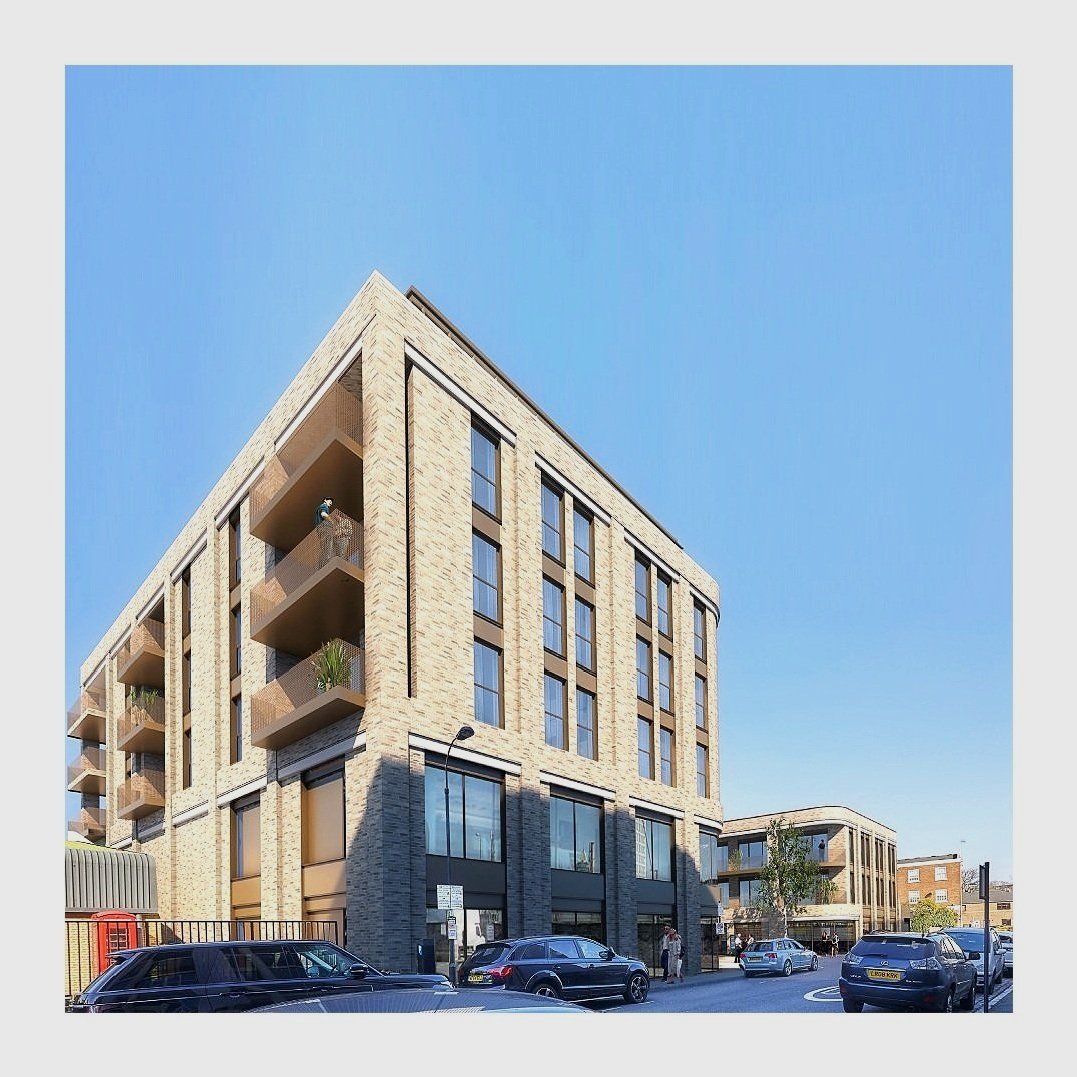
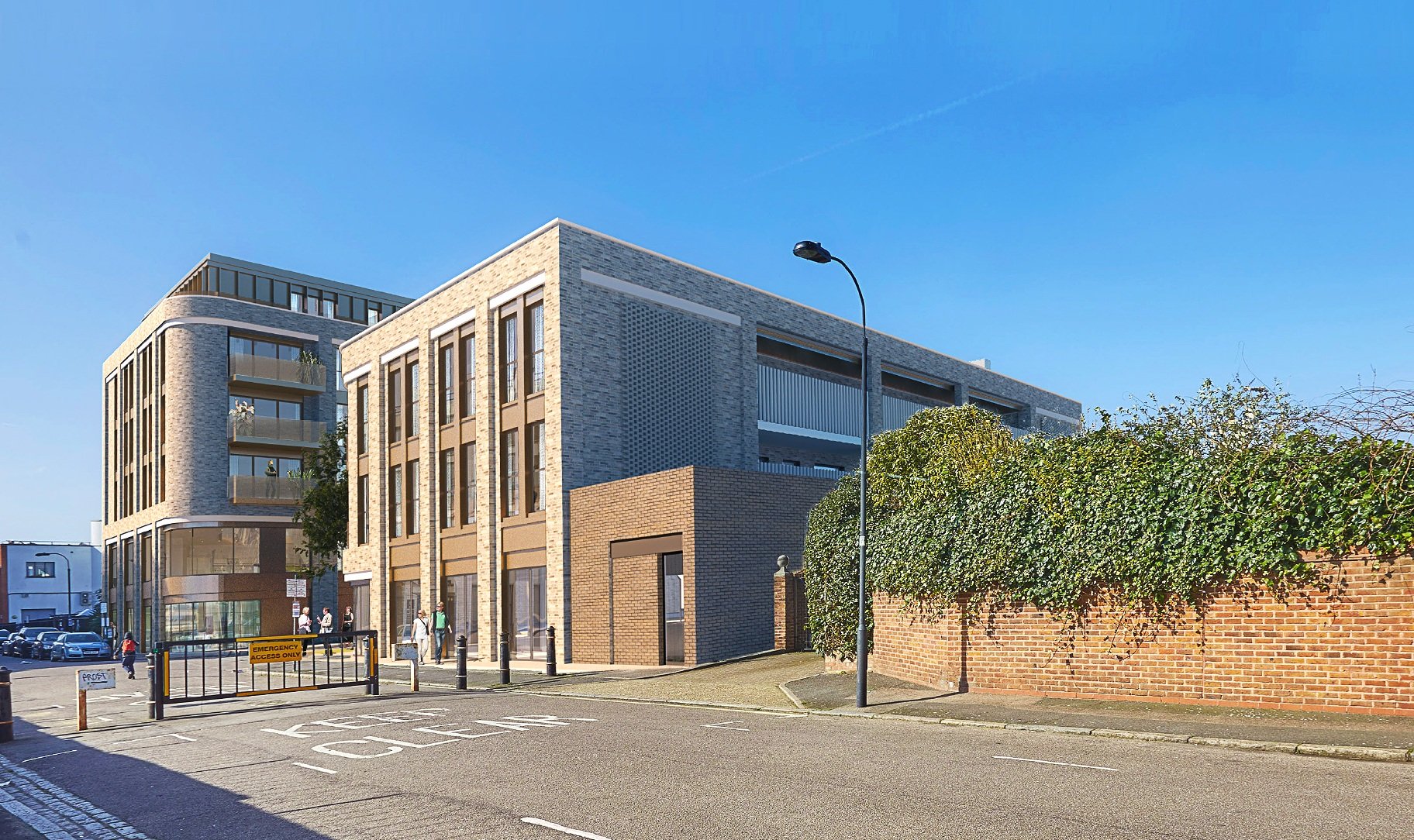
Sotheron Place, Fulham, London
Sotheron Place Fulham, London is a new build mixed-use development, consisting of two buildings with residential areas on the floors above ground served by a single stair. Block A incorporates commercial areas in the basement, ground and first floors, along with undercroft parking. Meanwhile, Block B features a retail commercial area on the ground floor.
GBFE was involved with:
Fire Strategy for Stage 4.
Key fire safety points: fire service access, external fire spread and the means of escape.
Specific measures included independent alarm systems for each block, a 'stay put if safe to do so' evacuation strategy for residential apartments, and simultaneous evacuation for commercial and non-residential areas upon fire alarm activation in the relevant block.
The building over 11m featured a sprinkler system.
Bracknell High Street
The proposal for Bracknell High Street is intended to be a mixed-use including residential, high-rise development. The building includes 7 storeys above ground floor and a Lower Ground storey. The building is predominantly residential with the exception of lower ground, ground and first floor, which are commercial and retail spaces.
GBFE was involved with:
Fire statement for Stage 2 Concept Design
Key objectives: review the design proposals for further development and check compliance with the Building Regulations. It included a Risk profile, Evacuation Strategy and horizontal and vertical means of escape for residential flats, communal areas and commercial and retail areas.
Key fire safety points: The building was above 18m, so apart from fire fighting access, another important aspect was the external fire spread as the building should have a non-combustible facade. Ventilation, evacuation lifts and residential sprinklers were also addressed.
Past Portfolio
GB (Gwen Brewer) previous work experience
Stratford Centre and Morgan House
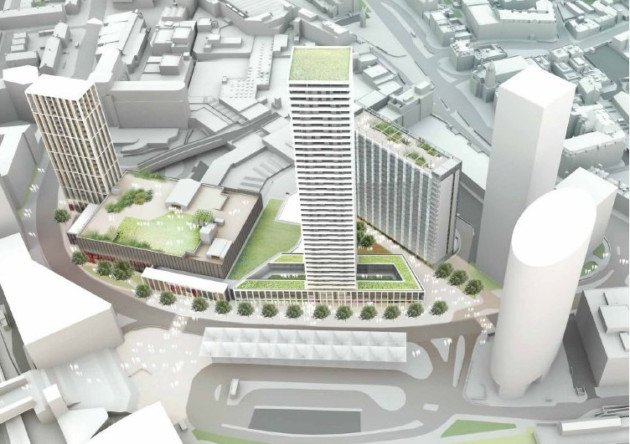
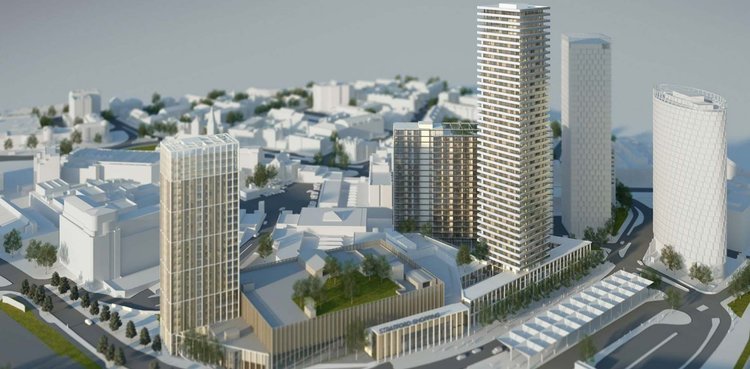
Refurb and extension of the existing Morgan House to 19 storeys
Also the development of new buildings including a 42 storey building, a 24 storey building and a 3 storey podium building comprising 583 residential units
Private and communal amenity areas, retail/leisure and office use is also incorporated
GB was involved with:
Concept design fire strategy.
Key fire safety points: Checked the fire engineering principles to respect regulations for the facade, provide sufficient means of escape, adequate ventilation for the means of escape, appropriate parking areas for fire brigades, and the installation of sprinkler systems.
Lewisham Retail Park
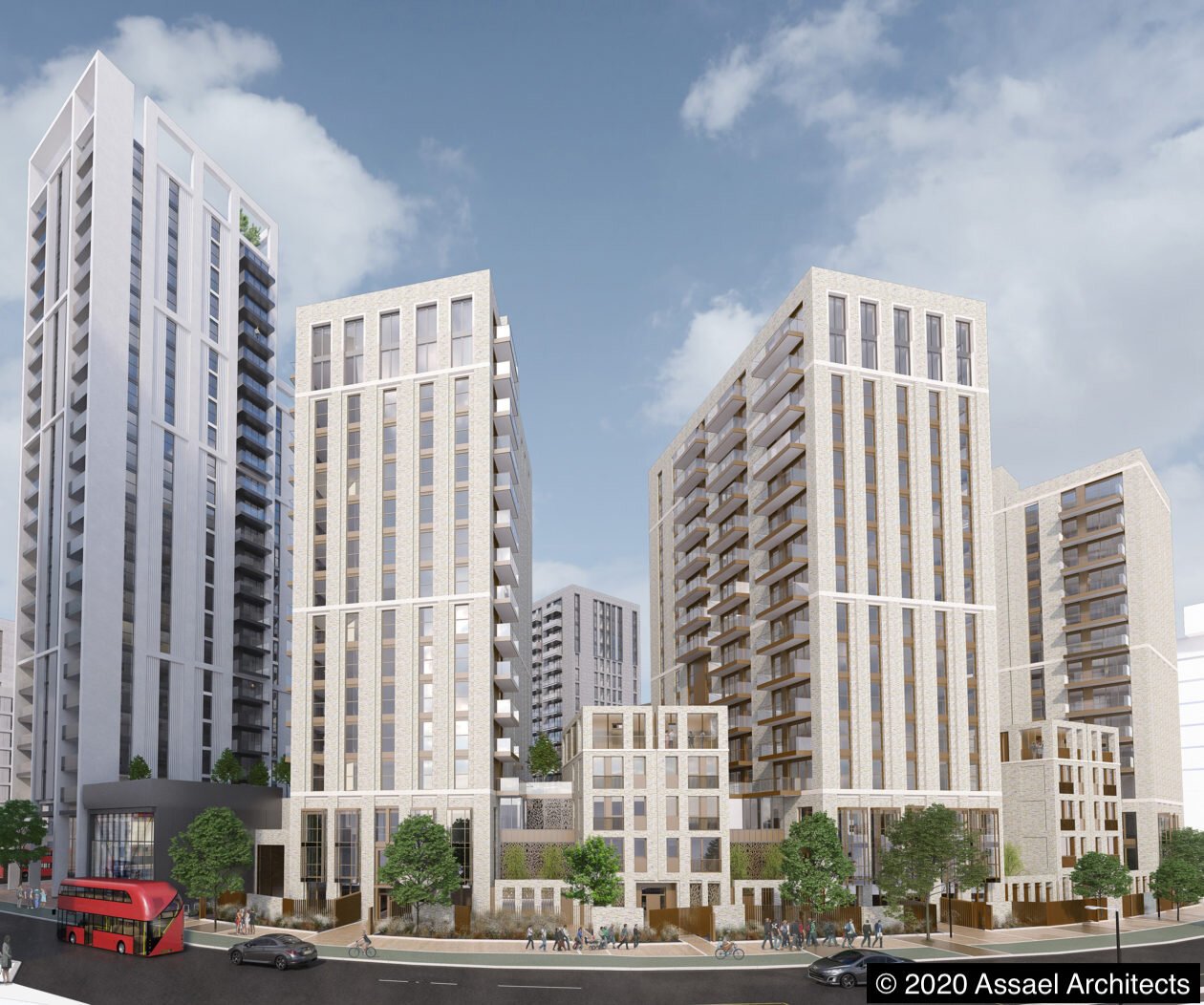
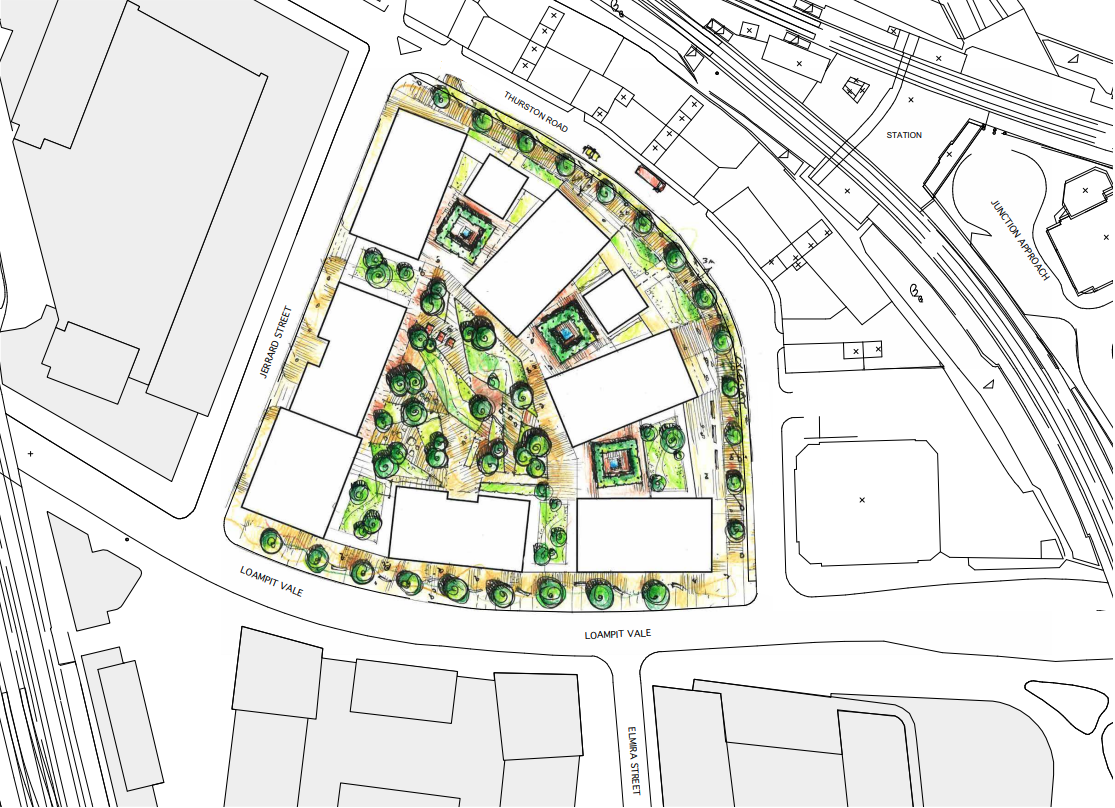
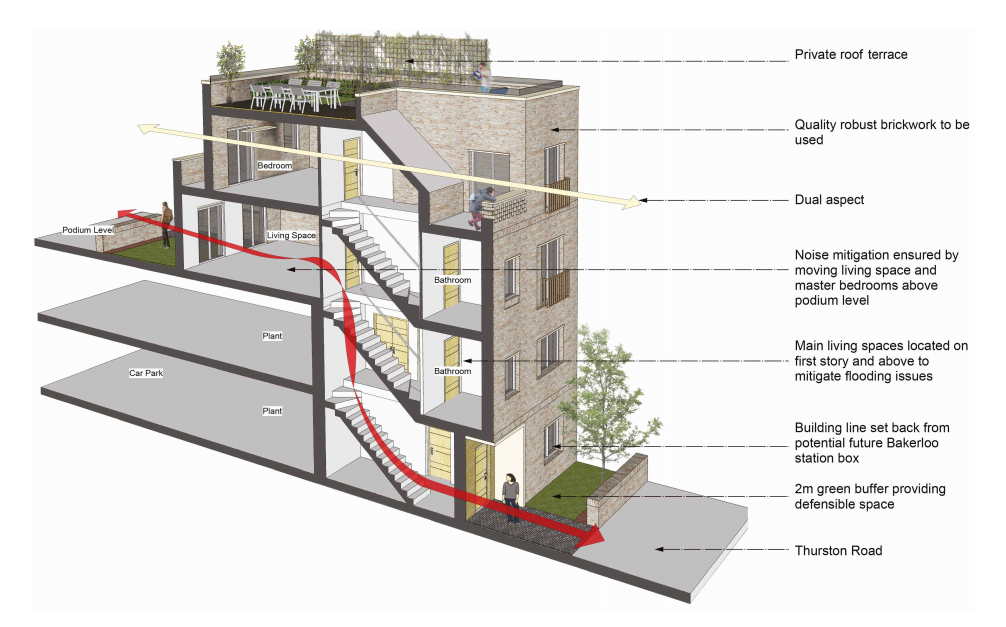
The project was undertaken in 2015, was roughly 46,500 square meters and included 525 residential units spread over seven buildings.
GB was involved with:
Stage 2 concept design and Stage 3.
Key fire safety points: marking up and implementation of ventilation systems for car parks, dwelling-houses, and commercial units. Means of escape, sprinklers, fire compartmentation and external fire spread was also important issues for the project.
GB collaborated with the CFD (Computational Fluid Dynamics) Modelling review that was conducted to assess the fire risk in the car park.
No 1 Poultry
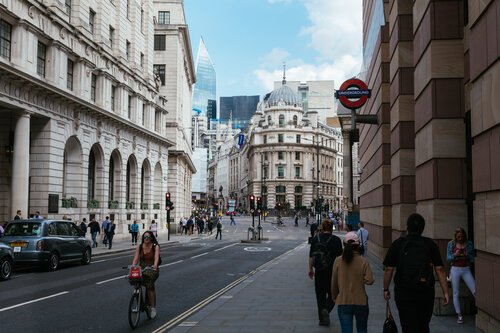
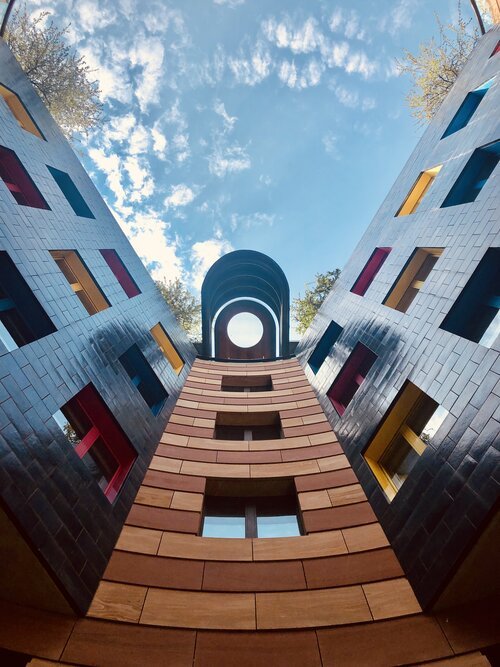
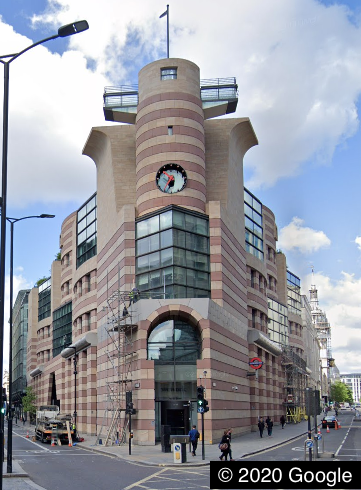
The project dated 2015-2016 is a Refurbishment of the youngest listed building in the UK located in the heart of London's banking district over Bank Underground Station. This is the last building designed by Sir James Stirling and was granted Grade II* status.
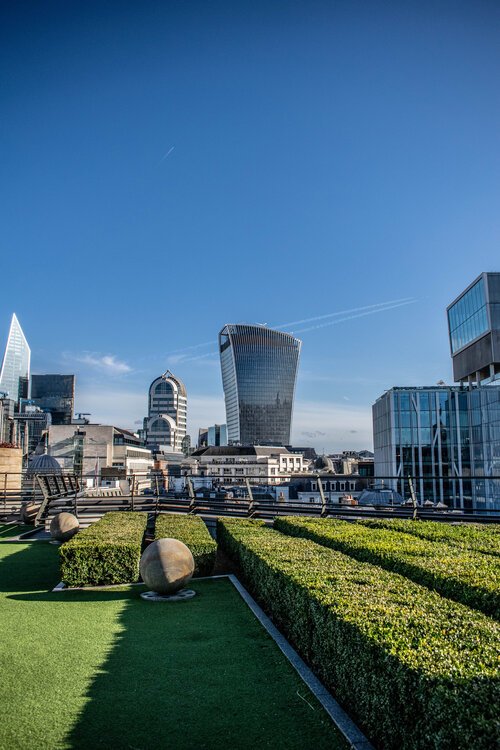
The building is predominantly offices with a roof garden restaurant and retail.
The facade of the building is protected and the developer wanted to extend the office floor plate on the second and third floor.
GB was involved with:
Fire strategy for Stage 2, 3 and 4.
Due to the site restriction and limitations, the fire strategy was revolving around the means of escape and distances.
Key fire safety points: GB studied the atrium and the accommodation stairs and the connecting floors internally and sprinklers, and also the connection to the TFL Station. GB also worked on a tunnel that had to comply with TFL requirements for fire compartmentation.
The building had to comply with TFL requirements, listed building requirements and building regulations.